Investing
April 11, 2030

The Key Benefits of Passive Investing and How to Get Started

Cain Matthew
10
Minutes read

Many investors spend countless hours researching the next big stock or chasing short-term market trends. But there’s another, more relaxed strategy that’s consistently proven effective over time: passive investing.

Passive investing is a long-term strategy where investors aim to match, not beat, the market. Instead of trying to outsmart market fluctuations or predict the next breakout company, passive investors typically put their money into low-cost index funds or exchange-traded funds (ETFs) that mirror major market indexes like the S&P 500 or Nasdaq.

So why is passive investing gaining more traction—especially among new and experienced investors alike?

Why Passive Investing Makes Sense

Passive investing isn’t just about simplicity—it’s backed by decades of performance data. According to studies from S&P Dow Jones Indices, over 85% of actively managed funds underperform their benchmark index over a 10-year period.

Let’s look at the core advantages of passive investing:

  1. Lower Fees: Passive funds are not actively managed, so they incur significantly lower management fees. That means more of your money stays invested and compounds over time.
  2. Reduced Stress: Without the pressure to time the market or pick individual stocks, passive investing offers peace of mind. It allows you to invest without constantly checking market news or worrying about daily volatility.
  3. Broad Market Exposure: By investing in index funds or ETFs, you're gaining access to a wide range of stocks across sectors and industries—helping you automatically diversify your portfolio.
  4. Consistent Long-Term Results: While passive investments may not deliver massive short-term gains, they typically yield steady growth over the long term. Historical returns of major indexes often range between 7–10% annually.
  5. Tax Efficiency: Since passive funds have lower turnover, they generate fewer taxable events compared to actively managed funds—making them more tax-friendly for long-term investors.

Getting Started with Passive Investing

If you're new to the investing world, passive investing is an excellent entry point. Here are a few simple steps to begin:

  • Define Your Investment Goals: Are you saving for retirement, a home, or long-term wealth accumulation? Your goals will influence the funds you choose.
  • Choose a Brokerage or Investing App: Many platforms offer commission-free trades and access to a wide selection of index funds and ETFs.
  • Start with Broad Index Funds: Funds that track the S&P 500, Nasdaq-100, or total market indexes are popular choices for beginners.
  • Automate Your Contributions: Set up recurring deposits to your investment account so you're consistently growing your portfolio, regardless of market fluctuations.
  • Reinvest Dividends: Many index funds allow you to automatically reinvest dividends, helping your investments grow even faster.

Passive vs. Active: The Real Cost of Chasing Returns

Many investors still attempt to beat the market by hiring active fund managers or trading frequently. But not only does this strategy usually underperform over time, it also racks up high management fees, transaction costs, and tax liabilities. Passive investing removes that noise, offering a stable, proven alternative.

Final Thoughts

Passive investing is about trusting the process. It’s a strategy rooted in discipline, patience, and long-term vision. While it may not be the flashiest approach, it’s one of the most effective ways to build real wealth without stress.

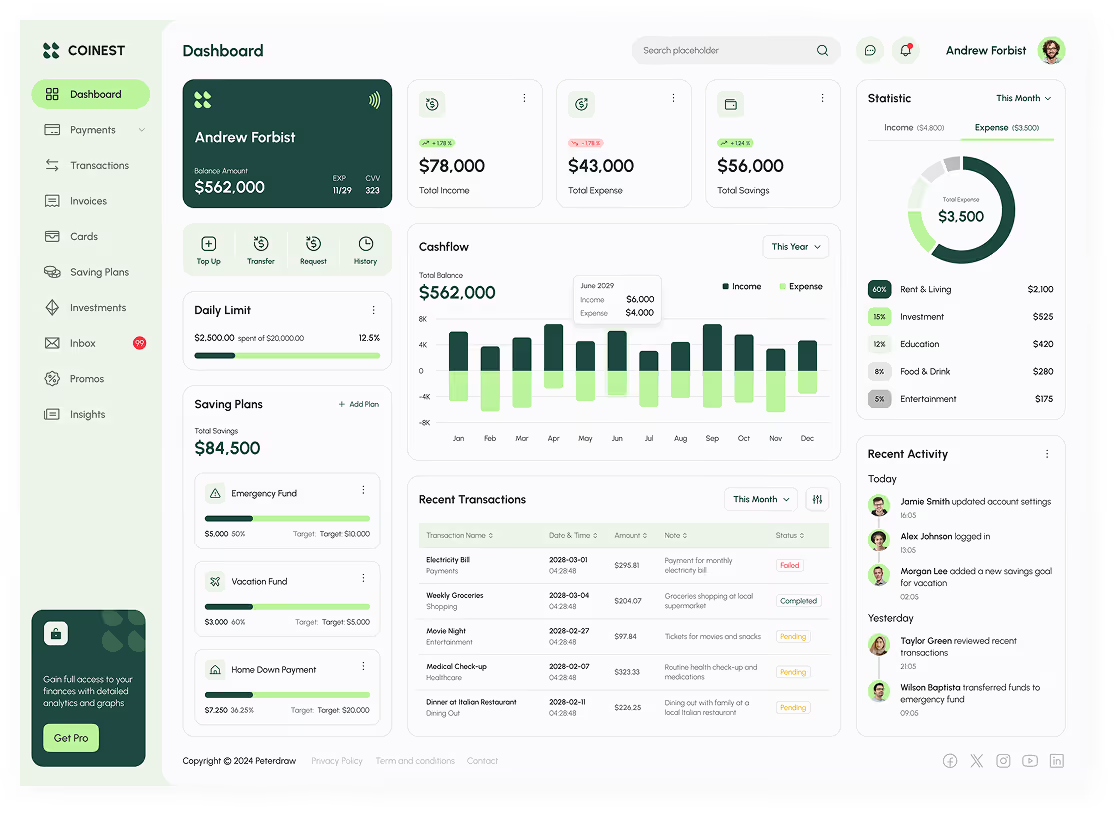
And with platforms like Coinest, getting started is easier than ever. From visual performance dashboards to long-term goal tracking, you have all the tools you need to confidently manage your passive investments and stay focused on what truly matters: your future.

Cain Matthew
Personal Finance Editor
A Personal Finance Editor and Investment Writer with nearly a decade of experience covering wealth management, passive income strategies, and fintech innovation. Cain focuses on delivering clear, actionable insights to help readers grow their portfolios and make confident financial decisions.
COINEST
Smarter Money Management

Want More Financial Insights Like This?

Dive deeper into budgeting tips, investment strategies, and smart money habits tailored for every financial journey.
Explore More Articles